In today’s hyper-connected digital world, system integration isn’t just a tech buzzword—it’s a business imperative. From streamlining operations to unlocking real-time data, effective system integration empowers organizations to operate smarter, faster, and more efficiently.
What Is System Integration and Why It Matters

System integration refers to the process of connecting different computing systems, software applications, and IT infrastructure to function as a coordinated whole. Rather than operating in isolated silos, integrated systems share data and processes seamlessly, enabling organizations to improve efficiency, reduce redundancy, and enhance decision-making.
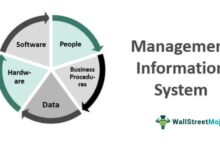

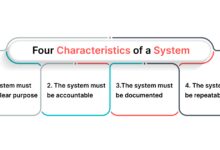
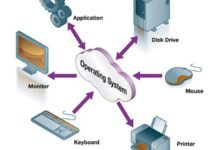
This concept has become increasingly vital as businesses adopt diverse technologies—from CRM and ERP platforms to cloud services and IoT devices. Without proper integration, these tools can create data fragmentation, operational bottlenecks, and increased IT complexity.
Core Definition and Scope
At its core, system integration involves linking disparate systems so they can exchange information and trigger actions across platforms. This includes both legacy systems and modern cloud-native applications. The goal is interoperability: ensuring that data flows accurately and securely between systems regardless of their architecture or vendor.
For example, integrating a customer relationship management (CRM) system like Salesforce with an enterprise resource planning (ERP) platform such as SAP allows sales teams to access real-time inventory data, improving quote accuracy and customer satisfaction.
Historical Evolution of System Integration
The roots of system integration trace back to the 1980s and 1990s when large enterprises began adopting ERP systems. Early integration efforts were often manual or point-to-point, requiring custom coding for each connection. These approaches were fragile, costly, and difficult to scale.
By the 2000s, middleware solutions emerged, enabling more standardized communication between systems. The rise of service-oriented architecture (SOA) and later microservices further transformed integration by promoting modular, reusable components. Today, with the proliferation of APIs and cloud computing, system integration has become more agile, scalable, and accessible than ever before.
“Integration is no longer a technical challenge—it’s a strategic enabler.” — Gartner Research
The Business Value of System Integration
Organizations invest in system integration not for technological novelty, but for tangible business outcomes. When executed well, integration drives measurable improvements across departments and functions. It eliminates data silos, reduces manual work, and enhances visibility into operations.
According to a report by McKinsey & Company, companies that implement robust integration strategies see up to a 30% improvement in operational efficiency and a 25% reduction in IT maintenance costs.
Improved Operational Efficiency
One of the most immediate benefits of system integration is the automation of workflows. Tasks that once required manual data entry—such as transferring order details from a web store to an accounting system—can now happen automatically.
For instance, an e-commerce business using Shopify can integrate its platform with QuickBooks for automatic invoice generation and payment reconciliation. This not only saves time but also reduces human error, leading to more accurate financial reporting.
- Automated data synchronization between departments
- Reduced duplication of effort across teams
- Faster processing times for orders, invoices, and shipments
Enhanced Data Accuracy and Decision-Making
Integrated systems provide a single source of truth. When sales, inventory, finance, and customer service data are unified, leaders can make informed decisions based on real-time insights.
Consider a logistics company that integrates GPS tracking with its warehouse management system. Managers can monitor delivery progress, predict delays, and adjust routes dynamically—all from a centralized dashboard. This level of visibility was nearly impossible in pre-integration environments.
Moreover, integrated data supports advanced analytics and business intelligence tools. Platforms like Microsoft Power BI or Tableau can pull data from multiple sources, enabling predictive modeling and trend analysis that drive strategic planning.
Types of System Integration Architectures
Not all system integration approaches are created equal. The choice of architecture depends on an organization’s size, complexity, existing infrastructure, and long-term goals. Understanding the different models helps businesses select the most appropriate strategy for their needs.
Each integration type offers unique advantages and trade-offs in terms of scalability, maintenance, and implementation cost.
Point-to-Point Integration
Also known as “spaghetti integration,” this model connects systems directly to one another through individual interfaces. While simple for small-scale implementations, it becomes unwieldy as the number of systems grows.
For example, if System A connects to System B, and System B connects to System C, then System A must have a separate connection to System C to communicate directly. This creates a web of interdependencies that are hard to manage and debug.
Despite its limitations, point-to-point integration is still used in legacy environments where modern middleware isn’t feasible. However, it’s generally discouraged for new projects due to poor scalability and high maintenance overhead.
Vertical Integration (Silos-Based)
This approach groups systems by function or department—such as finance, HR, or supply chain—into isolated vertical stacks. Each stack operates independently, with limited interaction between them.
While this model simplifies initial development and control, it reinforces data silos. For example, the HR system may not share employee onboarding data with the IT provisioning system, leading to delays in setting up user accounts.
Vertical integration is often a transitional phase for organizations moving toward more holistic integration strategies. It provides structure but lacks the cross-functional connectivity needed for true digital transformation.
Horizontal Integration (Enterprise Service Bus – ESB)
Horizontal integration uses a centralized communication backbone called an Enterprise Service Bus (ESB). All systems connect to the ESB, which handles message routing, transformation, and protocol translation.
This architecture promotes loose coupling—systems interact through standardized messages without needing direct knowledge of each other. It’s highly scalable and widely used in large enterprises with complex IT landscapes.
Vendors like IBM (WebSphere), Oracle (Fusion Middleware), and MuleSoft offer robust ESB solutions that support real-time data exchange, security policies, and monitoring capabilities.
“The ESB is the nervous system of modern enterprise integration.” — TechTarget
Modern Approaches to System Integration
As technology evolves, so do the methods for achieving effective system integration. Traditional models are being augmented—or replaced—by cloud-native, API-driven, and event-based architectures that offer greater flexibility and speed.
These modern approaches reflect a shift from monolithic integration to modular, scalable, and developer-friendly solutions.
API-Led Integration
API-led integration is a design philosophy popularized by MuleSoft that structures integration into three layers: experience, process, and system.
- Experience layer APIs expose data to end-user applications (e.g., mobile apps, websites).
- Process layer APIs orchestrate business logic and combine data from multiple sources.
- System layer APIs connect directly to backend systems like databases or ERPs.
This layered approach makes integrations reusable, easier to maintain, and faster to deploy. For example, a retail bank might use system APIs to access customer account data, process APIs to calculate loan eligibility, and experience APIs to deliver personalized offers via a mobile app.
Organizations adopting API-led integration report a 40% reduction in development time and a 50% increase in reuse of integration assets, according to a MuleSoft case study.
Cloud-Based Integration Platforms (iPaaS)
Integration Platform as a Service (iPaaS) has revolutionized how businesses approach system integration. These cloud-hosted platforms—such as Zapier, Workato, and Google Apigee—provide pre-built connectors, workflow automation, and monitoring tools.
iPaaS solutions are ideal for mid-sized businesses and departments that need rapid integration without heavy IT involvement. They support both SaaS-to-SaaS and hybrid (cloud-to-on-premise) scenarios.
Key benefits include:
- No need for on-premise hardware or middleware installation
- Scalable pricing based on usage
- Real-time synchronization and error handling
For example, a marketing team can use Zapier to automatically add new leads from a Typeform survey to their Mailchimp email list and Salesforce CRM—without writing a single line of code.
Event-Driven Architecture (EDA)
Event-driven architecture is gaining traction in real-time integration scenarios. Instead of polling systems for changes, EDA relies on events—such as “order placed” or “inventory updated”—to trigger actions across systems.
This model is particularly effective in dynamic environments like e-commerce, IoT, and financial trading platforms. For instance, when a customer places an order on Amazon, an event is published that triggers inventory deduction, payment processing, shipping notification, and customer email—all in near real time.
Tools like Apache Kafka, AWS EventBridge, and Azure Event Grid enable organizations to build scalable, resilient event pipelines. EDA enhances responsiveness, reduces latency, and supports asynchronous processing, making it a cornerstone of modern system integration.
Challenges in System Integration
Despite its benefits, system integration is not without hurdles. Organizations often face technical, organizational, and security-related challenges that can delay or derail integration initiatives.
Understanding these obstacles upfront allows teams to plan mitigation strategies and set realistic expectations.
Data Inconsistency and Format Mismatches
One of the most common integration challenges is dealing with incompatible data formats. Legacy systems may store dates as MM/DD/YYYY, while modern applications expect ISO 8601 (YYYY-MM-DD). Similarly, product codes, customer IDs, or currency values may differ in structure or meaning across systems.
Without proper data mapping and transformation, these discrepancies lead to errors, failed transactions, or corrupted records. For example, a mismatch in product SKUs between a warehouse system and an online marketplace can result in incorrect shipments.
Solutions include using middleware with built-in data transformation engines, implementing data governance policies, and adopting standardized data models like JSON or XML schemas.
Security and Compliance Risks
Integrating systems expands the attack surface. Every connection point—especially APIs—becomes a potential entry for cyber threats. Additionally, data flowing between systems must comply with regulations such as GDPR, HIPAA, or PCI-DSS.
Best practices to mitigate risk include:
- Implementing OAuth 2.0 or API keys for authentication
- Encrypting data in transit (TLS) and at rest
- Conducting regular security audits and penetration testing
- Applying role-based access control (RBAC) to limit data exposure
For example, a healthcare provider integrating electronic health records (EHR) with a telemedicine platform must ensure all patient data transfers are encrypted and audit-trail enabled to meet HIPAA requirements.
Legacy System Compatibility
Many organizations still rely on legacy systems—mainframes, COBOL applications, or proprietary databases—that were not designed for modern integration. These systems often lack APIs, use outdated protocols, or reside behind strict firewalls.
Integrating them requires creative solutions such as:
- Building API wrappers or adapters
- Using robotic process automation (RPA) to simulate user interactions
- Gradual migration to modern platforms through a hybrid approach
For instance, a bank might use RPA bots to extract data from a mainframe system and feed it into a cloud-based analytics platform, bridging the gap between old and new technologies.
Best Practices for Successful System Integration
Achieving seamless system integration requires more than just technical know-how. It demands strategic planning, stakeholder alignment, and a commitment to continuous improvement.
Following industry best practices increases the likelihood of success and minimizes disruptions during implementation.
Define Clear Objectives and KPIs
Before starting any integration project, organizations must define clear goals. Are you aiming to reduce order processing time? Improve customer data accuracy? Enable real-time reporting?
Each objective should be tied to measurable KPIs, such as:
- Reduction in manual data entry hours per week
- Decrease in system downtime after integration
- Improvement in data synchronization latency
These metrics help track progress, justify investment, and identify areas for optimization.
Adopt a Phased Implementation Approach
Rather than attempting a “big bang” integration, most experts recommend a phased rollout. Start with a pilot project—such as integrating two critical systems—then expand based on lessons learned.
This approach reduces risk, allows for iterative testing, and builds internal confidence. For example, a manufacturing company might first integrate its production scheduling system with inventory management, then later add quality control and supplier portals.
Phased integration also supports better change management, giving employees time to adapt to new workflows and tools.
Invest in Integration Governance and Documentation
Sustainable integration requires governance. This includes defining ownership, establishing integration standards, and maintaining comprehensive documentation.
Key elements of integration governance include:
- Designating an integration team or center of excellence (CoE)
- Creating reusable integration patterns and templates
- Documenting API contracts, data mappings, and error handling procedures
Well-documented integrations are easier to troubleshoot, audit, and scale. They also facilitate knowledge transfer when team members change.
Future Trends in System Integration
The landscape of system integration is continuously evolving. Emerging technologies and shifting business models are shaping the next generation of integration solutions.
Organizations that stay ahead of these trends will be better positioned to leverage integration as a competitive advantage.
Artificial Intelligence and Machine Learning in Integration
AI and ML are beginning to play a role in automating integration tasks. For example, AI-powered tools can analyze log files to detect integration failures, predict bottlenecks, or suggest optimal data mappings.
Machine learning models can also enhance data quality by identifying anomalies, deduplicating records, or classifying unstructured data. In a customer service context, AI can route support tickets to the right department by analyzing content and context from integrated CRM and email systems.
Vendors like IBM App Connect and Microsoft Azure Logic Apps are already incorporating AI features into their integration platforms.
Low-Code and No-Code Integration Tools
The rise of low-code/no-code platforms is democratizing system integration. Business users—without programming skills—can now build integrations using drag-and-drop interfaces.
Tools like Microsoft Power Automate, Make (formerly Integromat), and Tray.io empower non-technical teams to automate workflows across apps like Google Workspace, Slack, and Shopify.
While these tools have limitations in complexity and scalability, they significantly reduce dependency on IT departments and accelerate time-to-value for simple integrations.
Integration of IoT and Edge Devices
As the Internet of Things (IoT) expands, integrating data from sensors, machines, and edge devices becomes critical. From smart factories to connected healthcare devices, real-time data from the edge must be synchronized with central systems.
Challenges include handling high-volume, low-latency data streams and ensuring reliability in distributed environments. Solutions like MQTT protocols, edge computing gateways, and time-series databases (e.g., InfluxDB) are becoming essential components of modern integration architectures.
For example, a utility company might integrate smart meters with billing and outage management systems to enable dynamic pricing and faster response to power outages.
Real-World Examples of System Integration Success
Theoretical knowledge is valuable, but real-world examples illustrate the transformative power of system integration. Let’s explore how leading organizations have leveraged integration to drive innovation and growth.
Retail: Walmart’s Omnichannel Integration
Walmart has invested heavily in system integration to deliver a seamless omnichannel experience. By integrating its e-commerce platform, in-store POS systems, inventory management, and supply chain logistics, Walmart can offer services like “buy online, pick up in-store” (BOPIS) and real-time inventory visibility.
This integration reduced out-of-stock incidents by 30% and increased customer satisfaction scores by 25%, according to internal reports. The company uses a hybrid integration model, combining iPaaS solutions with custom-built APIs to connect legacy warehouse systems with modern cloud applications.
Healthcare: Mayo Clinic’s Interoperability Initiative
The Mayo Clinic implemented a comprehensive system integration strategy to improve patient care and data sharing across its network of hospitals and clinics. Using HL7 and FHIR standards, they connected electronic health records (EHR), lab systems, and telemedicine platforms.
The result? Faster diagnosis times, reduced duplicate testing, and improved care coordination. Patients can now access their health data through a unified portal, and doctors receive real-time alerts about critical lab results.
This integration was supported by a centralized integration engine and strict data governance policies to ensure compliance with HIPAA and patient privacy laws.
Manufacturing: Siemens’ Digital Twin Integration
Siemens uses system integration to power its digital twin technology—virtual replicas of physical manufacturing systems. By integrating IoT sensors, CAD software, ERP, and MES (Manufacturing Execution Systems), Siemens can simulate production processes, predict maintenance needs, and optimize performance.
This integration has led to a 20% reduction in unplanned downtime and a 15% increase in production efficiency across several factories. The company leverages its own MindSphere IoT platform to aggregate and analyze data from thousands of connected machines.
Such advanced integration enables predictive analytics and closed-loop automation, setting a new standard in smart manufacturing.
What is system integration?
System integration is the process of connecting different IT systems, software applications, and devices so they can work together as a unified ecosystem. It enables data sharing, workflow automation, and improved operational efficiency across an organization.
What are the main types of system integration?
The main types include point-to-point, vertical (silos), horizontal (ESB), and modern approaches like API-led and event-driven integration. Each has its own use cases, scalability, and complexity levels depending on the organization’s needs.
What is iPaaS and how does it help with system integration?
iPaaS (Integration Platform as a Service) is a cloud-based solution that provides tools and pre-built connectors to automate and manage integrations between applications. It simplifies integration for non-technical users and supports hybrid and multi-cloud environments.
What are common challenges in system integration?
Common challenges include data format mismatches, security risks, legacy system compatibility, lack of skilled personnel, and poor change management. These can be mitigated through proper planning, governance, and the use of modern integration tools.
How does system integration improve business performance?
System integration improves business performance by eliminating data silos, automating workflows, enhancing data accuracy, enabling real-time analytics, and supporting faster decision-making. It leads to cost savings, better customer experiences, and increased agility.
System integration is no longer optional—it’s a strategic necessity for organizations aiming to thrive in the digital age. From breaking down data silos to enabling real-time operations, the right integration strategy can transform how businesses operate. By understanding the types, challenges, and best practices of system integration, companies can build agile, scalable, and future-ready IT ecosystems. As technology continues to evolve, embracing modern approaches like API-led design, iPaaS, and event-driven architecture will be key to staying competitive. The journey may be complex, but the rewards—efficiency, insight, and innovation—are well worth the effort.
Further Reading: