Welcome to the ultimate guide on system maintenance! Whether you’re managing a single computer or an entire network, keeping systems running smoothly is non-negotiable. In this comprehensive article, we’ll break down everything you need to know to master system maintenance like a pro.
What Is System Maintenance and Why It Matters

System maintenance refers to the routine tasks and procedures performed to keep computer systems, networks, and software operating efficiently and securely. It’s not just about fixing problems—it’s about preventing them before they occur. Think of it like servicing your car: regular oil changes don’t just fix engine issues—they prevent breakdowns.

Defining System Maintenance
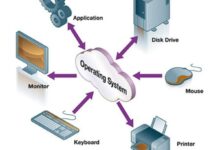
At its core, system maintenance involves monitoring, updating, optimizing, and securing hardware, software, and network components. This includes everything from installing security patches to cleaning up disk space and ensuring backups are functional.
- Hardware checks (e.g., cooling systems, disk health)
- Software updates and patch management
- Performance monitoring and optimization
- Security audits and vulnerability scanning
According to CISA (Cybersecurity and Infrastructure Security Agency), regular system maintenance is one of the top practices for reducing cybersecurity risks.
The Business Impact of Neglecting System Maintenance
Ignoring system maintenance can lead to catastrophic consequences. Downtime, data loss, and security breaches are just the tip of the iceberg. A 2023 report by Gartner found that unplanned downtime costs businesses an average of $5,600 per minute—over $300,000 per hour.
- Lost productivity due to system crashes
- Increased IT support costs
- Damage to brand reputation
- Regulatory fines for non-compliance
“Preventive maintenance is 4 times more cost-effective than reactive fixes.” — ITIL Framework
Types of System Maintenance: A Complete Breakdown
Not all system maintenance is the same. Different types serve different purposes, and understanding them helps organizations plan effectively. Let’s explore the four main categories.
Corrective Maintenance
This type of system maintenance is reactive—it happens after a failure. For example, if a server crashes, corrective maintenance involves diagnosing the issue, replacing faulty hardware, and restoring services.
- Triggered by system failure
- Often urgent and time-sensitive
- Can be costly due to downtime
While necessary, over-reliance on corrective maintenance indicates poor planning.
Preventive Maintenance
Preventive system maintenance is scheduled and proactive. It aims to prevent failures before they happen. Examples include regular disk defragmentation, updating antivirus software, and checking server logs.
- Performed on a fixed schedule (daily, weekly, monthly)
- Reduces unexpected outages
- Extends the lifespan of hardware
Organizations using preventive maintenance report up to 50% fewer system failures annually.
Predictive Maintenance
This advanced form of system maintenance uses data analytics and monitoring tools to predict when a component might fail. For instance, sensors can detect unusual temperature spikes in a server rack, signaling potential cooling issues.
- Leverages AI and machine learning
- Highly efficient and cost-effective
- Common in data centers and industrial systems
According to IBM, predictive maintenance can reduce maintenance costs by up to 30%.
Perfective Maintenance
Perfective system maintenance focuses on improving system performance and user experience. It’s not about fixing bugs but enhancing functionality—like upgrading software interfaces or optimizing database queries.
- Driven by user feedback
- Improves efficiency and satisfaction
- Often part of software development lifecycle
This type ensures systems evolve with user needs and technological advancements.
Essential System Maintenance Tasks You Can’t Ignore
Every organization should have a checklist of critical system maintenance tasks. Skipping even one can lead to cascading failures. Here are the non-negotiables.
Regular Software Updates and Patch Management
Outdated software is a hacker’s best friend. System maintenance must include timely updates for operating systems, applications, and firmware. The 2017 WannaCry ransomware attack exploited a known Windows vulnerability that had a patch available—but many systems hadn’t applied it.
- Enable automatic updates where possible
- Prioritize critical security patches
- Test updates in a staging environment first
Tools like Windows Defender Update Service help automate this process.
Disk Cleanup and Defragmentation
Over time, files get scattered across a hard drive, slowing down access speeds. Disk cleanup removes temporary files, while defragmentation reorganizes data for faster retrieval.
- Run disk cleanup weekly
- Defragment mechanical drives monthly (SSDs don’t need this)
- Use built-in tools like Disk Cleanup (Windows) or BleachBit (Linux)
Regular cleanup can free up gigabytes of space and improve system responsiveness.
Backup and Recovery Testing
Having a backup is useless if you can’t restore it. System maintenance must include regular backup verification. A 2022 survey by Veritas found that 30% of organizations couldn’t fully recover data after a disaster due to untested backups.
- Follow the 3-2-1 rule: 3 copies, 2 media types, 1 offsite
- Test recovery procedures quarterly
- Document backup logs and success rates
“A backup is only as good as your ability to restore from it.” — Data Management Best Practice
System Maintenance for Different Environments
The approach to system maintenance varies depending on the environment. What works for a small business may not suit a cloud-based enterprise.
On-Premise Servers and Workstations
For organizations with physical servers, system maintenance includes hardware inspections, dust removal, and thermal monitoring. Servers generate heat, and poor ventilation can lead to overheating and hardware failure.
- Schedule quarterly hardware inspections
- Monitor server room temperature and humidity
- Use UPS (Uninterruptible Power Supply) to prevent power surges
Regular physical maintenance can extend server life by 3–5 years.
Cloud-Based Systems
Cloud environments shift some maintenance responsibilities to providers (like AWS or Azure), but users still need to manage configurations, access controls, and data integrity.
- Monitor cloud resource usage and costs
- Update security groups and IAM policies
- Perform regular audits using tools like AWS Trusted Advisor
According to Amazon Web Services, misconfigurations are the leading cause of cloud security breaches.
Hybrid IT Environments
Many companies use a mix of on-premise and cloud systems. System maintenance here requires a unified strategy. Tools like Microsoft System Center or SolarWinds can provide centralized monitoring.
- Ensure consistent patching across environments
- Integrate logging and alerting systems
- Train IT staff on both physical and virtual systems
Hybrid maintenance demands coordination but offers flexibility and resilience.
Best Practices for Effective System Maintenance
Doing system maintenance isn’t enough—you need to do it right. These best practices ensure maximum efficiency and minimal risk.
Create a Maintenance Schedule
Random or ad-hoc maintenance leads to gaps. A well-documented schedule ensures nothing is missed. Use a calendar tool to assign tasks to team members.
- Daily: Log reviews, uptime checks
- Weekly: Software updates, disk cleanup
- Monthly: Backup tests, security scans
- Quarterly: Hardware inspections, policy reviews
A consistent schedule reduces human error and improves accountability.
Automate Where Possible
Manual maintenance is time-consuming and prone to oversight. Automation tools can handle repetitive tasks like patch deployment, log rotation, and performance monitoring.
- Use PowerShell scripts for Windows maintenance
- Leverage cron jobs in Linux environments
- Deploy RMM (Remote Monitoring and Management) tools like NinjaRMM or Atera
Automation frees up IT staff for strategic work and ensures consistency.
Document Everything
Without documentation, system maintenance becomes chaotic. Every task, change, and incident should be logged. This helps with audits, troubleshooting, and onboarding new staff.
- Keep a change management log
- Record system configurations before updates
- Store documentation in a centralized, secure location
As the saying goes, “If it’s not documented, it didn’t happen.”
Common System Maintenance Tools and Software
Using the right tools makes system maintenance faster, more accurate, and scalable. Here’s a breakdown of essential tools across categories.
Monitoring and Alerting Tools
These tools provide real-time visibility into system health. They alert administrators to issues like high CPU usage, disk full warnings, or network outages.
- Nagios: Open-source monitoring for servers, switches, and applications
- Zabbix: Scalable monitoring with built-in visualization
- Datadog: Cloud-based monitoring with AI-powered insights
According to TechRepublic, 78% of IT teams use monitoring tools to reduce downtime.
Patch Management Solutions
Keeping software updated across multiple devices is challenging. Patch management tools automate the process, ensuring compliance and security.
- WSUS (Windows Server Update Services): Free tool for managing Windows updates
- Ivanti Patch for Windows: Comprehensive patching for third-party apps
- ManageEngine Patch Manager Plus: Supports multi-platform environments
These tools reduce the window of exposure to vulnerabilities.
Backup and Recovery Software
Reliable backup tools are a cornerstone of system maintenance. They ensure data can be restored quickly after corruption, deletion, or disaster.
- Veeam Backup & Replication: Popular for virtual environments
- Acronis Cyber Protect: Combines backup with cybersecurity
- Datto SaaS Protection: Specialized for cloud applications like Microsoft 365
Regular testing with these tools ensures recovery readiness.
The Role of AI and Automation in Modern System Maintenance
The future of system maintenance is intelligent, predictive, and self-healing. Artificial Intelligence (AI) and Machine Learning (ML) are transforming how we manage IT systems.
AI-Powered Anomaly Detection
AI can analyze system behavior and detect anomalies that humans might miss. For example, an AI tool might notice a server making unusual database queries at 3 AM—possibly indicating a breach.
- Reduces false positives in security alerts
- Identifies performance bottlenecks early
- Integrates with SIEM (Security Information and Event Management) systems
Google’s DeepMind has already demonstrated AI systems that can predict hardware failures in data centers.
Self-Healing Systems
Advanced system maintenance now includes self-healing capabilities. If a service crashes, AI can automatically restart it, reroute traffic, or apply a known fix.
- Minimizes downtime without human intervention
- Used in cloud platforms like AWS Auto Scaling
- Requires robust monitoring and rule-based logic
Self-healing systems are a game-changer for 24/7 operations.
Automated Root Cause Analysis
When an issue occurs, AI can analyze logs, metrics, and configurations to pinpoint the root cause—saving hours of manual troubleshooting.
- Tools like Splunk and Dynatrace offer AI-driven diagnostics
- Reduces mean time to repair (MTTR)
- Improves incident response accuracy
AI doesn’t replace IT staff—it empowers them.
Challenges in System Maintenance and How to Overcome Them
Even with the best tools, system maintenance faces real-world challenges. Recognizing them is the first step to overcoming them.
Lack of Skilled Personnel
Many organizations struggle to find IT staff with the right expertise. System maintenance requires knowledge of networking, security, and software—skills that are in high demand.
- Solution: Invest in training and certifications (e.g., CompTIA, Microsoft)
- Outsource to managed service providers (MSPs)
- Use user-friendly tools that reduce complexity
According to (ISC)², there’s a global shortage of 3.4 million cybersecurity professionals.
Budget Constraints
Small businesses often delay system maintenance due to cost concerns. But as we’ve seen, the cost of inaction is far higher.
- Solution: Start with free or open-source tools (e.g., Nagios, WSUS)
- Prioritize high-impact, low-cost tasks (e.g., backups, updates)
- Calculate ROI of maintenance to justify spending
Preventive maintenance typically costs 10–20% of reactive repair costs.
Resistance to Change
Employees may resist maintenance windows that disrupt work. This cultural challenge can delay critical updates.
- Solution: Communicate maintenance schedules in advance
- Perform updates during off-hours
- Educate staff on the risks of neglect
Transparency builds trust and cooperation.
What is system maintenance?
System maintenance refers to the ongoing process of monitoring, updating, optimizing, and securing IT systems to ensure reliability, performance, and security. It includes tasks like software updates, hardware checks, backups, and security patches.
How often should system maintenance be performed?
The frequency depends on the environment, but a general guideline is: daily log checks, weekly software updates and disk cleanup, monthly backup tests, and quarterly hardware inspections. Critical systems may require more frequent attention.
What are the consequences of poor system maintenance?
Poor system maintenance can lead to data loss, security breaches, system downtime, reduced performance, compliance violations, and increased IT costs. It can also damage customer trust and brand reputation.
Can system maintenance be automated?
Yes, many system maintenance tasks can and should be automated. Tools for patch management, monitoring, backups, and log analysis can run automatically, reducing human error and freeing up IT staff for strategic work.
Is system maintenance necessary for cloud environments?
Yes, even in cloud environments, system maintenance is essential. While providers handle infrastructure, users are responsible for configuration, access control, data backup, and software updates. Misconfigurations are a leading cause of cloud security incidents.
System maintenance is not a one-time task—it’s an ongoing commitment to reliability, security, and performance. From preventive checks to AI-driven automation, the strategies and tools available today make it easier than ever to keep systems running at peak efficiency. By understanding the types, best practices, and challenges of system maintenance, organizations can avoid costly downtime, protect sensitive data, and ensure smooth operations. Whether you’re managing a single PC or a global network, a proactive maintenance strategy is your best defense against failure. Start small, stay consistent, and scale as needed—your systems (and your bottom line) will thank you.
Recommended for you 👇
Further Reading: